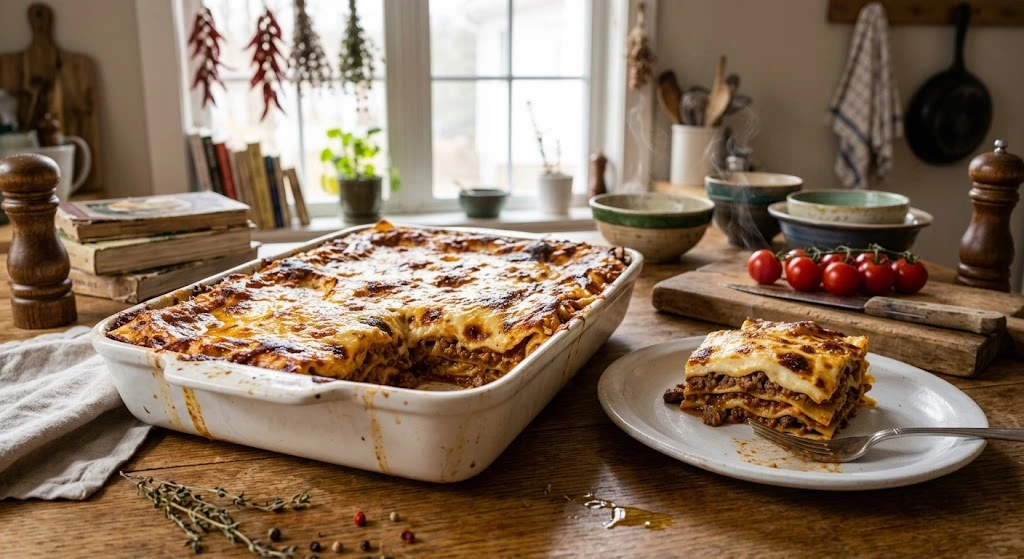
This Gordon Ramsay’s Lasagne al Forno recipe is the kind of cozy dinner I turn to when I want something hearty without spending half the day in the kitchen. It layers a savory beef and tomato ragù with creamy cheese sauce, tender pasta, and a beautifully golden Parmesan topping.
Recipe Overview
Prep Time: 15 minutes
Cook Time: 40 minutes
Total Time: 55 minutes
Servings: 4
Cuisine: Italian-inspired
Course/Category: Main Course, Dinner
The classic Cookalong version is designed as a fairly quick lasagne, with the finished dish taking about 55 minutes from start to table. (YouTube)
Calories + Personal Recipe Note
Approximately 600–650 calories per serving.
My little recipe note: don’t rush the few minutes when the meat and tomato mixture is cooking together. I once moved on too quickly, and the sauce tasted noticeably flatter; letting everything get hot and savory before layering makes a real difference.
Meta Description
Make gordon ramsays lasagne al forno recipe with savory beef ragù, creamy cheese sauce, tender pasta layers, and a golden Parmesan topping.
History of Lasagne Al Forno
Lasagne al forno means lasagne “baked in the oven,” and it has long been a comforting part of Italian cooking. Traditional versions layer pasta with rich meat sauce and creamy béchamel before baking everything until bubbling and golden.
Over time, families and cooks have created their own variations with different meats, cheeses, and seasonings. Gordon Ramsay’s version takes a quicker approach, using grated onion and carrot in the beef ragù along with Worcestershire sauce, red wine, tomatoes, and a splash of milk. For more cooking inspiration, you can also explore Gordon Ramsay’s pasta recipes.
I especially like the grated-vegetable trick. The first time I tried it, I wasn’t sure it would make much difference, but the vegetables almost disappear into the sauce while adding a gentle sweetness and smoother texture.
Ingredients
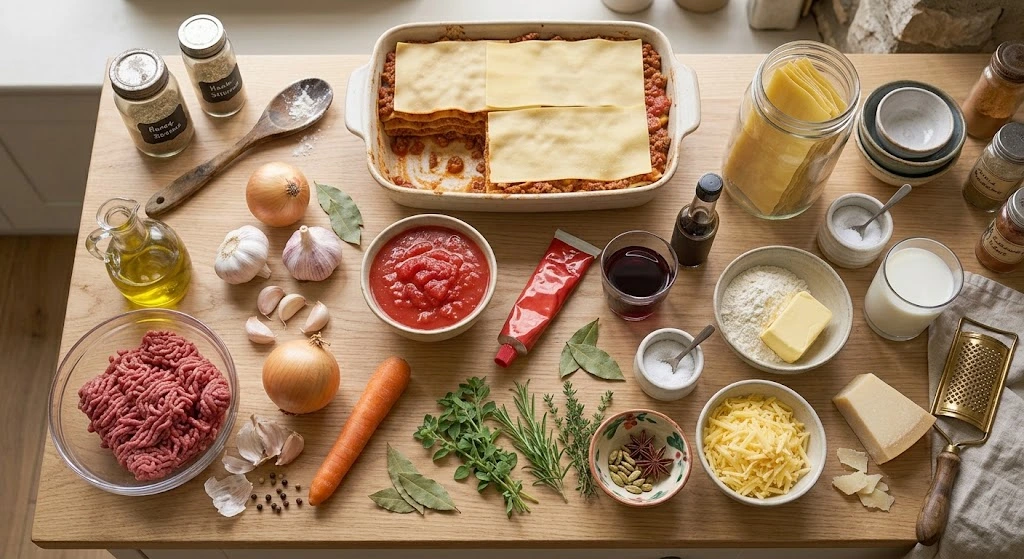
These measurements stay close to the original Gordon Ramsay Cookalong recipe, with US-friendly amounts included for easier cooking at home.
| Ingredient | Quantity |
|---|---|
| Olive oil | 2 tbsp |
| Large onion, peeled | 1/2 large onion |
| Large carrot, peeled | 1 |
| Garlic, peeled | 2 cloves |
| Dried oregano | 2 pinches |
| Ground beef | 300 g / about 10.5 oz |
| Tomato paste | 1 tbsp |
| Worcestershire sauce | 1 tbsp |
| Bay leaf | 1 |
| Dry red wine | 30 ml / 2 tbsp |
| Chopped tomatoes | 1 × 400 g can / about 14 oz |
| Whole milk, for meat sauce | 50 ml / about 3 tbsp |
| Salt | To taste |
| Freshly ground black pepper | To taste |
| Butter | 25 g / about 2 tbsp |
| All-purpose flour | 25 g / about 3 tbsp |
| Whole milk, for white sauce | 300 ml / about 1 1/4 cups |
| Ground nutmeg | 1 pinch |
| Cheddar cheese, grated | 60 g / about 1/2 cup |
| Parmesan cheese, grated | 30 g / about 1/3 cup |
| No-boil lasagne sheets | 6 sheets |
Equipment
- Large skillet or sauté pan
- Medium saucepan
- Oven-safe lasagne or casserole dish
- Box grater
- Wooden spoon
- Whisk
- Measuring cups and spoons
- Kitchen knife
- Cutting board
- Cheese grater
- Ladle or large serving spoon
How to Make Gordon Ramsay’s Lasagne Al Forno Recipe
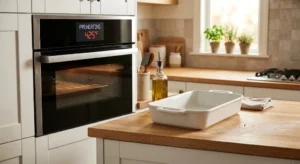
Step 1: Preheat the Oven
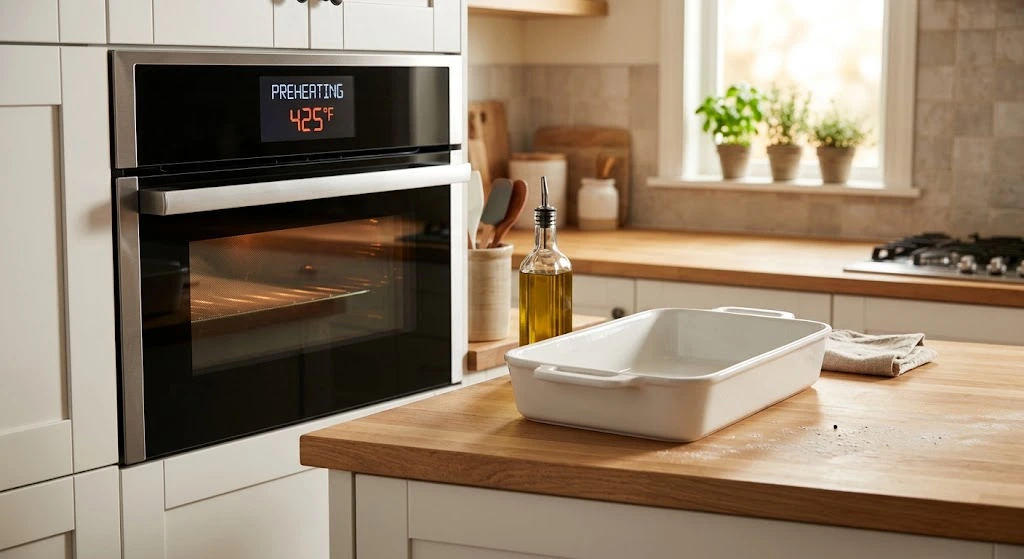
Preheat the oven to 425°F (220°C). Getting the oven fully heated before assembling helps the lasagne start cooking evenly as soon as it goes in.
Step 2: Prepare the Vegetables
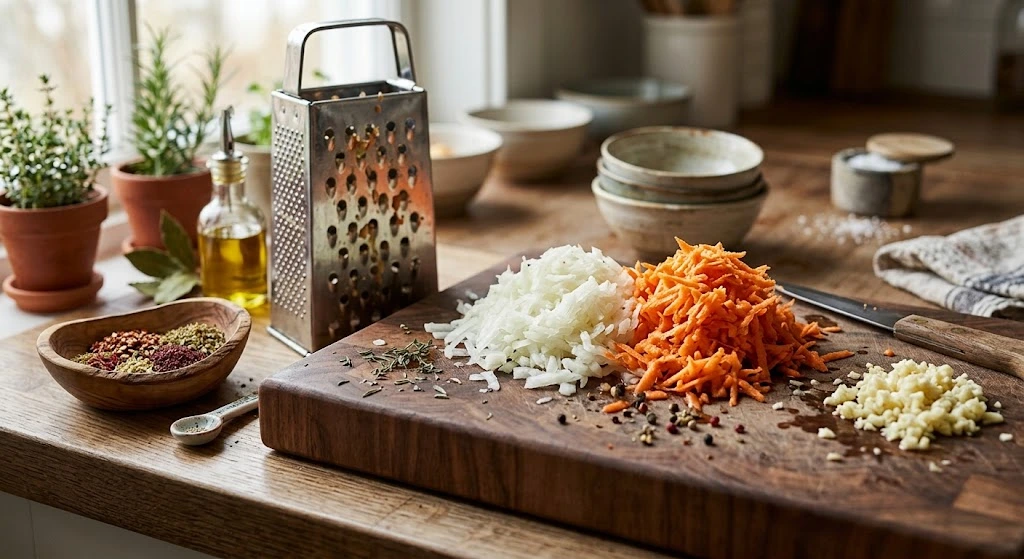
Grate the onion and carrot, then finely mince the garlic. Grating the vegetables helps them soften quickly and blend smoothly into the beef ragù.
Step 3: Start the Beef Ragù

Heat the olive oil in a large skillet over medium-high heat. Add the onion, carrot, garlic, and oregano, then cook for 2–3 minutes until softened and fragrant.
Step 4: Brown the Ground Beef
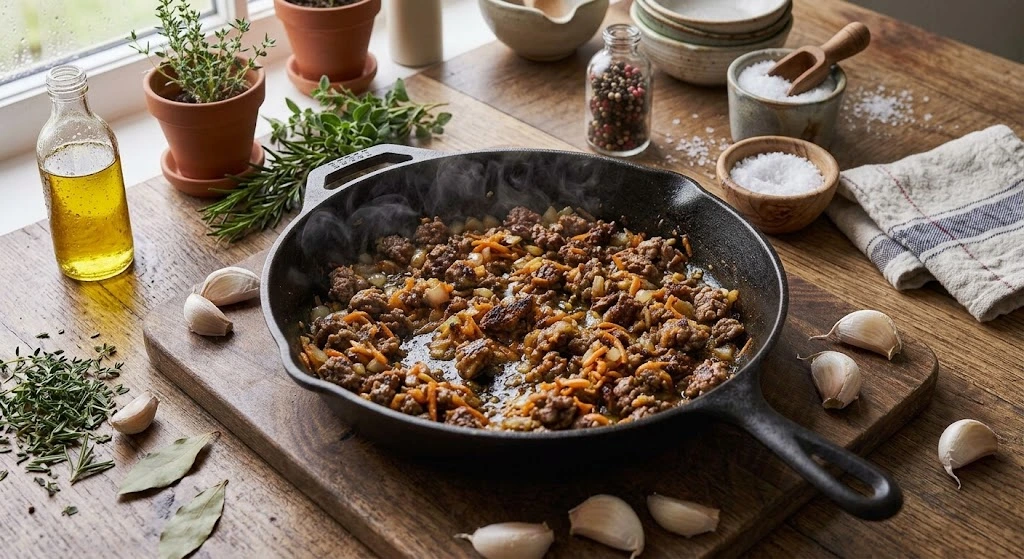
Add the ground beef and break it apart with a wooden spoon. Cook until browned and no pink remains, stirring occasionally so the meat develops plenty of savory flavor.
Step 5: Cook the Tomato Paste

Stir in the tomato paste and cook for about 1 minute. I never skip this step because briefly cooking the paste gives the ragù a deeper, richer tomato taste.
Step 6: Season the Ragù
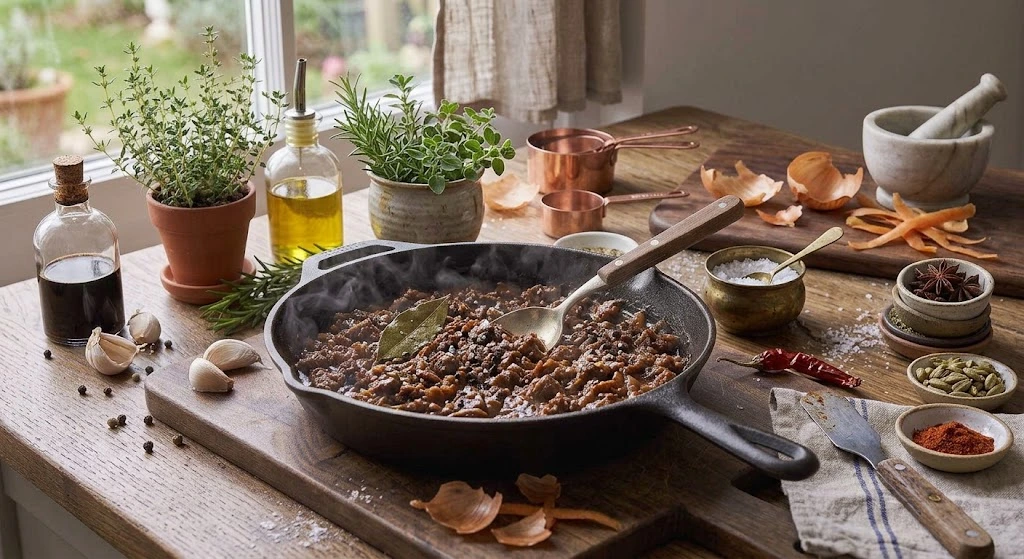
Add the Worcestershire sauce, bay leaf, salt, and freshly ground black pepper. Stir everything well so the seasonings are evenly distributed throughout the beef mixture.
Step 7: Add the Red Wine
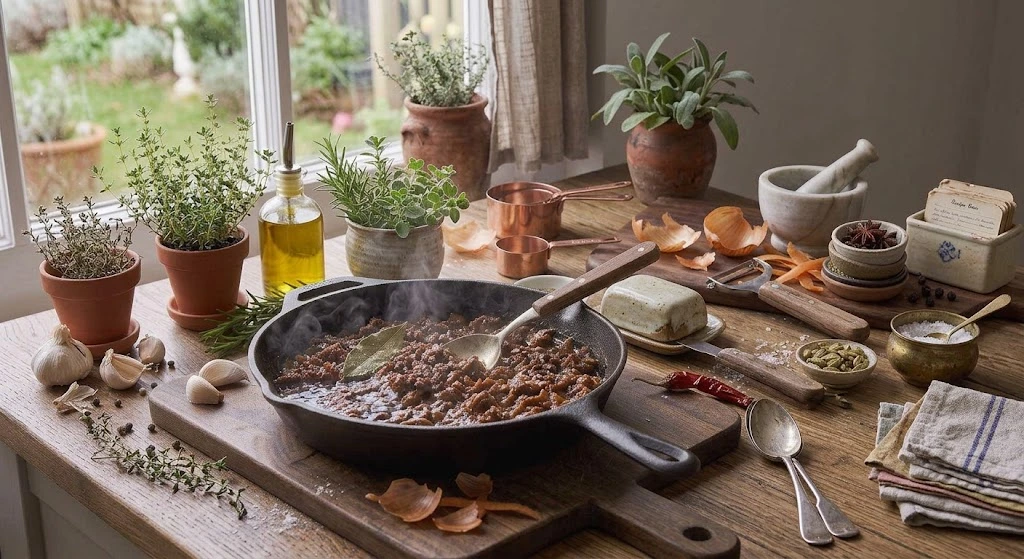
Pour in the red wine and let it simmer for 1–2 minutes. Scrape the browned bits from the bottom of the skillet because they add extra depth to the sauce.
Step 8: Add Tomatoes and Milk
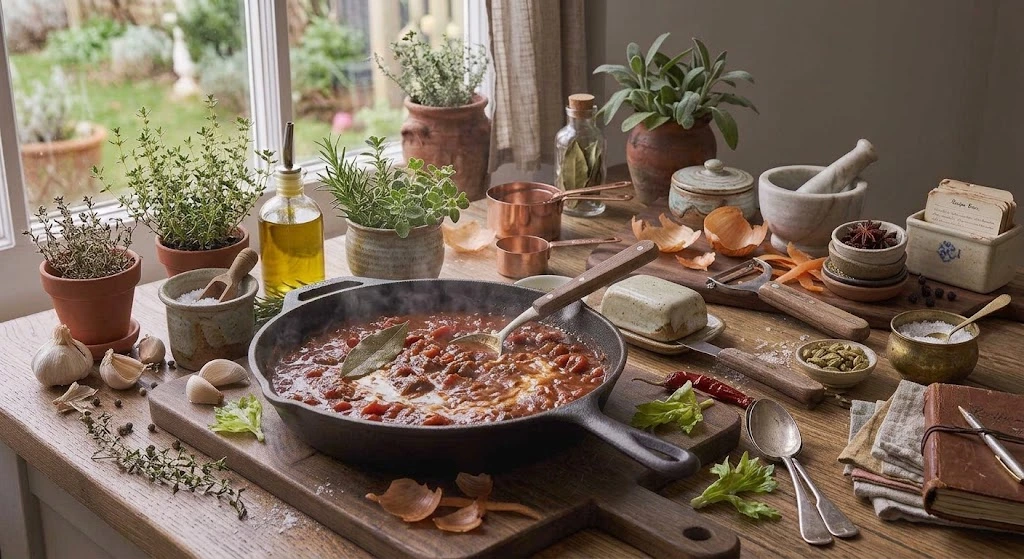
Stir in the chopped tomatoes and bring the ragù to a gentle simmer. Add the milk and cook for 10–15 minutes, stirring occasionally, until the sauce becomes rich and slightly thick.
Step 9: Make the White Sauce

Melt the butter in a saucepan over medium-low heat and stir in the flour. Cook for about 1 minute, stirring constantly, until the mixture becomes smooth and lightly bubbling.
Step 10: Whisk in the Milk
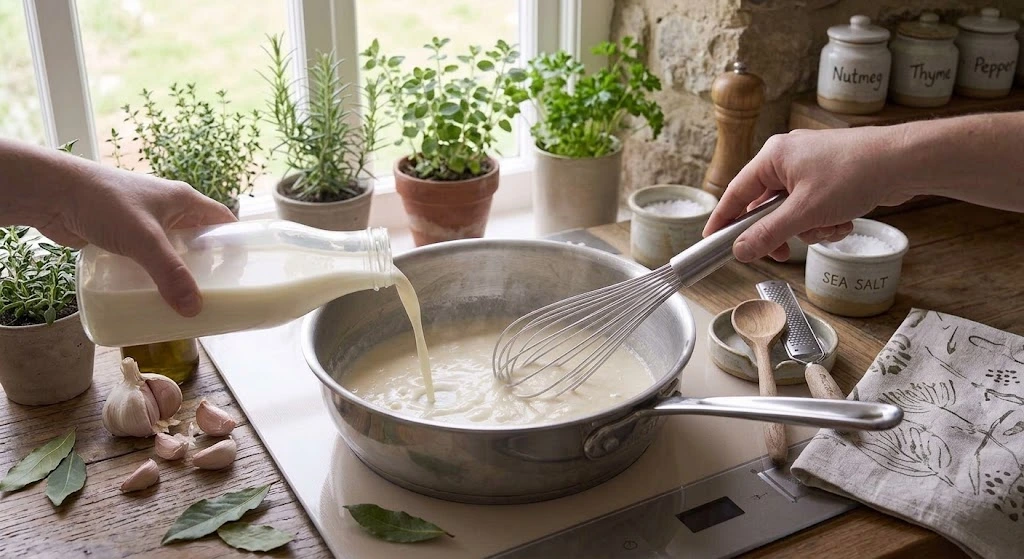
Gradually pour in the milk while whisking continuously. Adding it slowly keeps the white sauce smooth and prevents those little flour lumps I’ve learned are much easier to avoid than fix.
Step 11: Add the Cheese
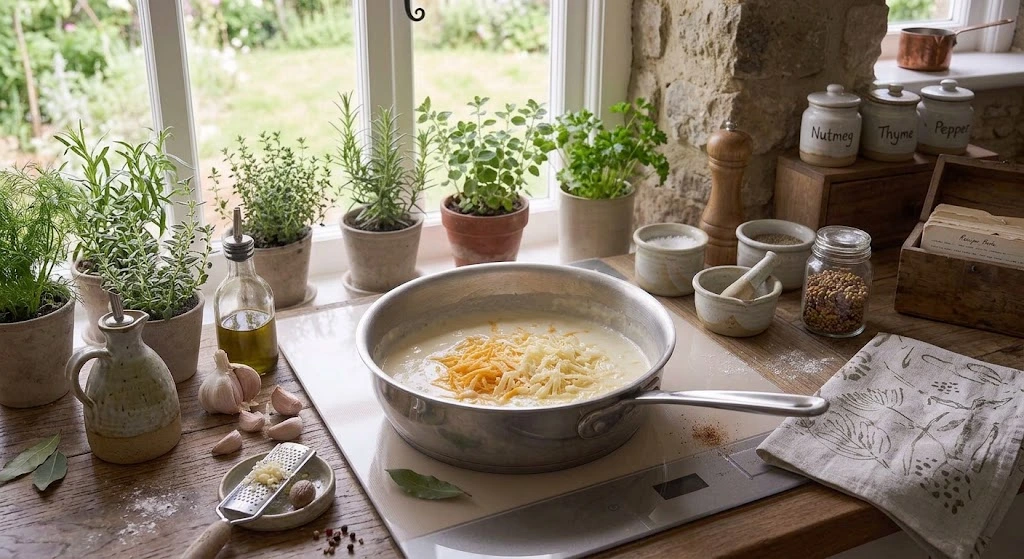
Cook until the sauce thickens, then season with nutmeg, salt, and pepper. Stir in most of the Cheddar and Parmesan until smooth, saving a little Parmesan for the topping.
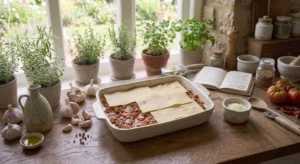
Step 12: Begin Layering
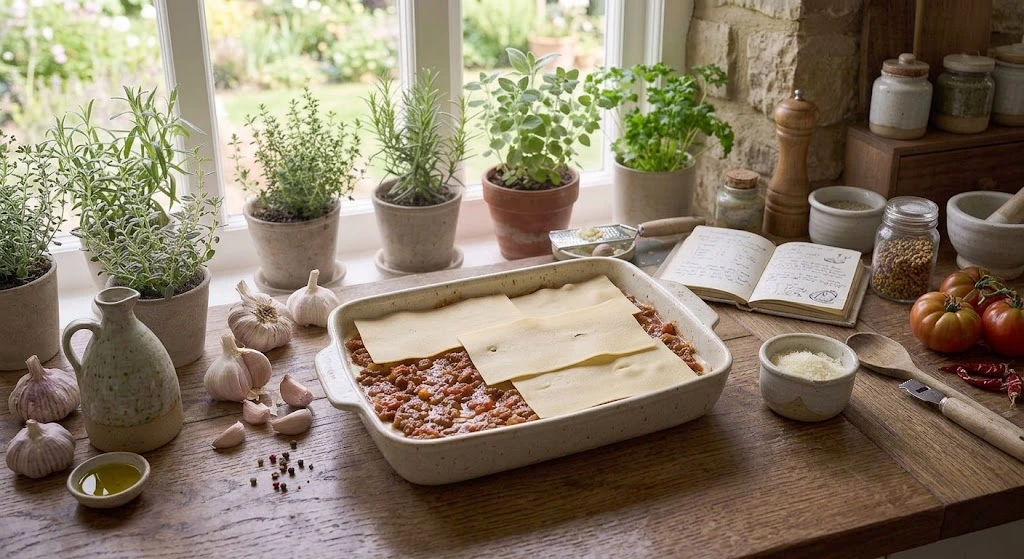
Spread a thin layer of beef ragù across the bottom of the baking dish. Arrange lasagne sheets over the sauce, trimming them if necessary so they fit neatly.
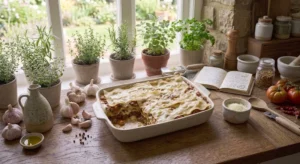
Step 13: Build the Lasagne
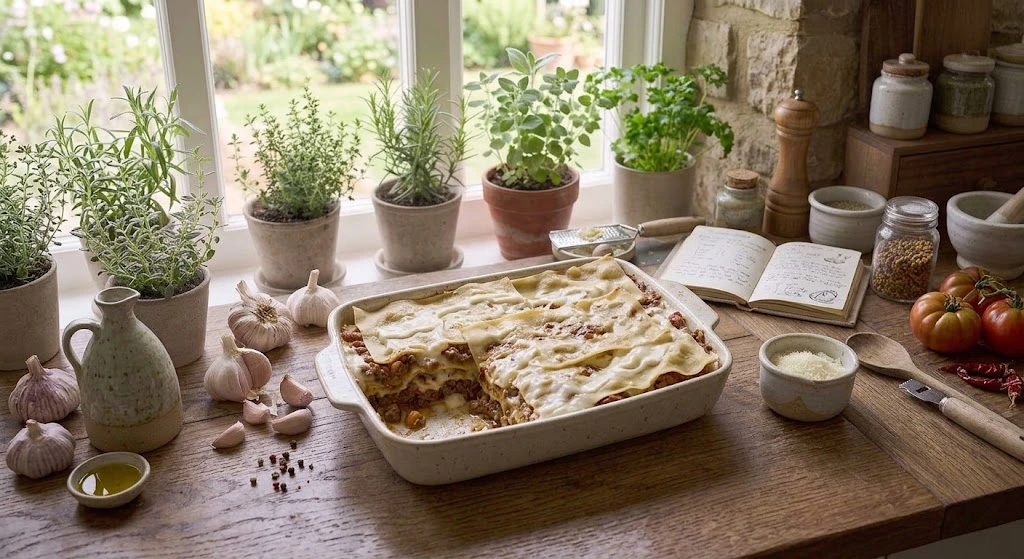
Add another layer of beef ragù followed by the creamy cheese sauce and more lasagne sheets. Continue layering until the ingredients are used, keeping enough white sauce for the top.
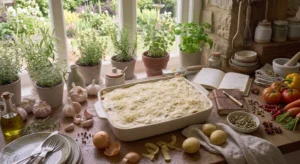
Step 14: Finish the Top
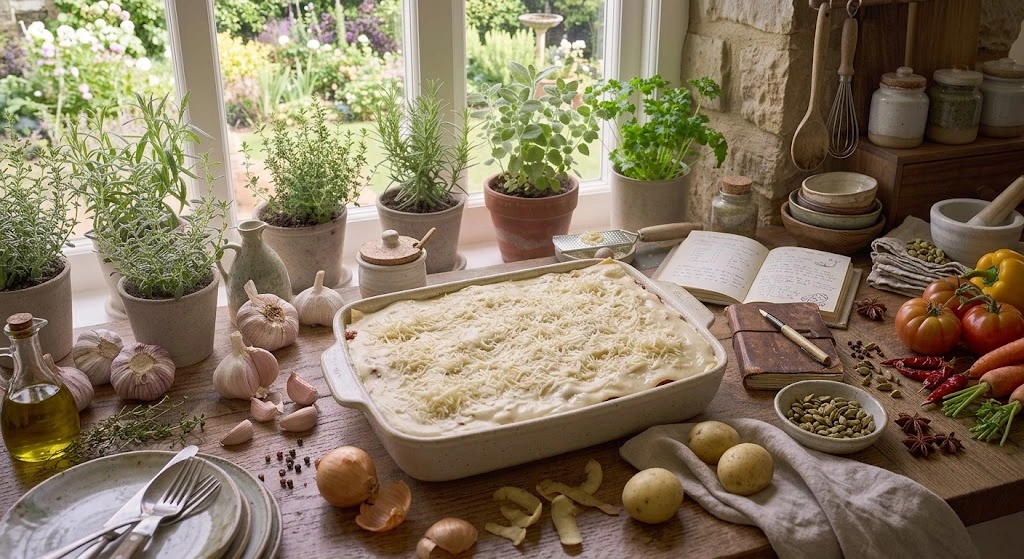
Spread the remaining white sauce evenly over the final pasta layer. Sprinkle with the reserved Parmesan so the lasagne develops a beautifully golden, lightly crisp topping.
Step 15: Bake Until Golden
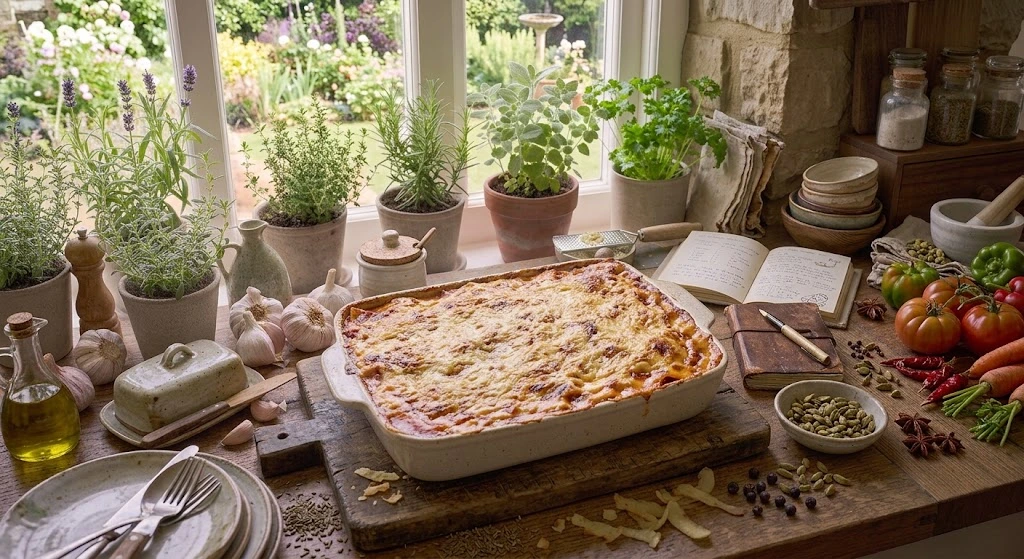
Bake for 20–25 minutes until the edges are bubbling and the top is golden brown. If the cheese starts browning too quickly, loosely cover the dish with foil.
Step 16: Rest Before Serving
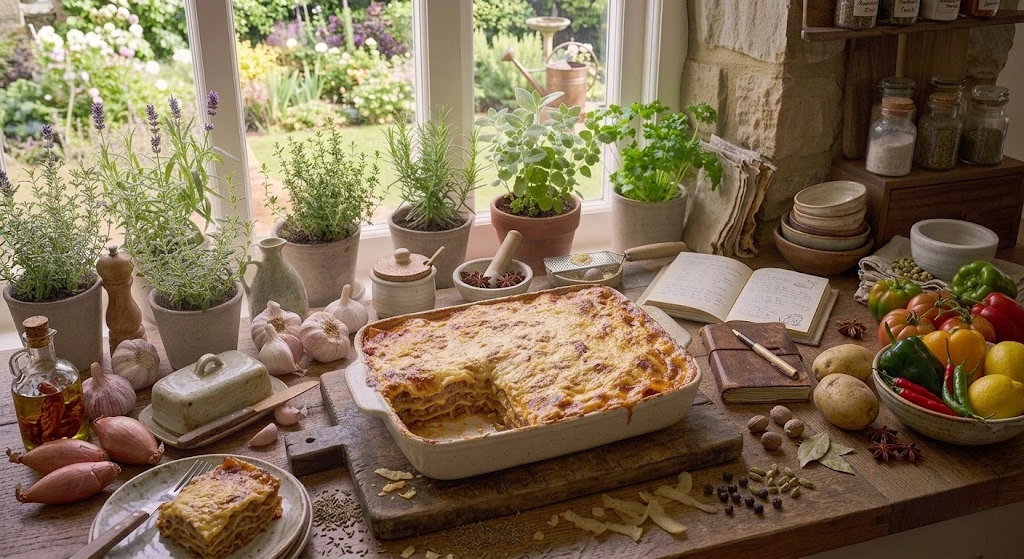
Remove the lasagne from the oven and let it rest for about 10 minutes. I know it’s tempting to cut straight in, but resting helps those rich, creamy layers stay together when served.
What Is Lasagne Al Forno?
Lasagne al forno is a classic Italian baked pasta dish made with layers of lasagne sheets, rich beef ragù, and creamy white sauce. The phrase “al forno” simply means “baked in the oven.”
This version combines a savory meat sauce with a smooth béchamel-style cheese sauce, giving every layer a rich and comforting taste.Once baked, the pasta turns tender, the sauces come together beautifully, and the top becomes golden with slightly crisp edges.
Why You’ll Love This Recipe
What I enjoy most about this Gordon Ramsay’s lasagne al forno recipe is how rich and comforting it tastes without needing hours at the stove. The grated vegetables also blend smoothly into the quick beef ragù.Worcestershire sauce and red wine give the meat sauce extra depth, while the creamy Cheddar and Parmesan sauce keeps every layer rich without feeling too heavy.
It’s a cozy family dinner that also works beautifully when you’re serving guests. Add a simple salad and warm bread, and dinner is sorted. If you enjoy comforting beef and pasta dinners like this lasagne, you should also try my Gordon Ramsay Spaghetti Bolognese Recipe for another rich, family-style meal.
Pro Tips
- Grate the onion and carrot so they soften quickly and blend smoothly into the beef ragù.
- Brown the beef well and let any excess moisture cook away before adding the tomatoes.
- Cook the tomato paste for about 1 minute to deepen its flavor and remove the raw taste.
- Add the milk gradually while whisking the white sauce to keep it smooth and lump-free.
- Keep the ragù thick enough to hold the lasagne layers together without becoming watery.
- Let the baked lasagne rest for about 10 minutes before slicing so each portion holds its shape.
Ingredient Substitutions
Lasagne is pretty forgiving, so a few simple swaps work well without changing the dish too much.
- Ground turkey or chicken can replace the beef for a lighter meat sauce.
- Beef broth can replace red wine if you prefer to cook without alcohol.
- Mozzarella can stand in for Cheddar for a milder, stretchier cheese layer.
- Pecorino Romano can replace Parmesan, but use a little less because it’s saltier.
- Lactose-free whole milk works well in both the ragù and white sauce.
- Regular lasagne noodles can replace no-boil sheets; just cook and drain them before layering.
Easy Variations
This lasagne is easy to customize while keeping the rich, comforting flavor of the original.
- Mushroom Lasagne: Add 8 ounces of browned sliced mushrooms to the beef ragù for a deeper, earthy taste.
- Spicy Lasagne: Stir in 1/4 to 1/2 teaspoon red pepper flakes for a gentle kick of heat.
- Extra Cheesy: Add a light layer of mozzarella between the pasta sheets for more creamy, stretchy cheese.
- Vegetable Lasagne: Mix in zucchini, spinach, or bell peppers, cooking away any extra moisture first.
- Beef and Pork: Replace half the ground beef with ground pork for a richer, more tender meat sauce.
- Fresh Herb Finish: Sprinkle chopped basil or parsley over the baked lasagne before serving.
Common Mistakes
Most lasagne problems come from excess moisture, rushed sauces, or slicing too soon.
- Watery ragù: Simmer the meat sauce until thick before layering.
- Burnt garlic: Cook garlic briefly and avoid letting it turn dark.
- Lumpy white sauce: Add the milk gradually while whisking constantly.
- Dry pasta sheets: Make sure every sheet is covered with enough sauce.
- Too much cheese: Overloading the layers can make the lasagne greasy.
- Slicing too soon: Let the lasagne rest for about 10 minutes so the layers hold together.
Serving Suggestions
Lasagne is a rich, filling meal, so I like serving it with lighter sides that balance the creamy sauce and beef ragù.
- Serve with a crisp green salad and lemon vinaigrette.
- Add garlic bread or warm crusty bread for soaking up extra sauce.
- Roasted broccoli, asparagus, or green beans make simple vegetable sides.
- A tomato and arugula salad adds a fresh, slightly tangy contrast.
- Sprinkle fresh basil, parsley, or a little extra Parmesan over the top before serving.
If you’re planning another cozy beef dinner, my Gordon Ramsay Beef Stroganoff Recipe is another creamy, comforting option worth trying.
Storage Tips
Lasagne stores well and often tastes even better the next day once the flavors have had time to settle. Let it cool before refrigerating or freezing.
- Refrigerator: Store leftovers in an airtight container for 3–4 days.
- Freezer: Wrap individual portions tightly and freeze for up to 2–3 months.
- Oven Reheating: Cover with foil and warm at 350°F for 20–25 minutes.
- Microwave Reheating: Heat individual portions for 2–3 minutes until hot throughout.
- Freezing Tip: Cool the lasagne completely before freezing to prevent excess moisture.
- Dry Lasagne: Add a spoonful of tomato sauce or a splash of water before reheating.
For food safety, follow the USDA leftover storage guidelines, which recommend using refrigerated cooked leftovers within 3–4 days.
Nutrition Facts
These nutrition values are approximate and may vary depending on the ingredients, brands, and serving size.
| Nutrient | Amount |
|---|---|
| Calories | 620 kcal |
| Protein | 34 g |
| Carbohydrates | 48 g |
| Total Fat | 31 g |
| Saturated Fat | 14 g |
| Fiber | 5 g |
| Sugar | 10 g |
| Sodium | 760 mg |
| Cholesterol | 95 mg |
| Calcium | 320 mg |
| Iron | 4 mg |
Health Benefits & Taste
This lasagne is a hearty comfort meal that also provides protein, iron, calcium, and vitamin B12 from the beef, milk, and cheese. Tomatoes, carrot, and onion add extra nutrients and help round out the sauce.
The flavor is rich and savory, with tender beef, slightly sweet tomato, creamy white sauce, and salty Parmesan. Worcestershire sauce and red wine add extra depth, while the golden top gives the lasagne a lightly crisp finish.
Personal Experience
The biggest lesson I’ve learned with this lasagne is not to rush the sauces. I once assembled it while the ragù was still too loose, and the first slices fell apart on the plate.
Since then, I let the meat sauce thicken properly and always rest the lasagne before cutting. Grating the onion and carrot also gives the ragù a much smoother texture.
Those small changes made a big difference, and now the lasagne holds its layers beautifully with rich sauce and golden, crisp edges.
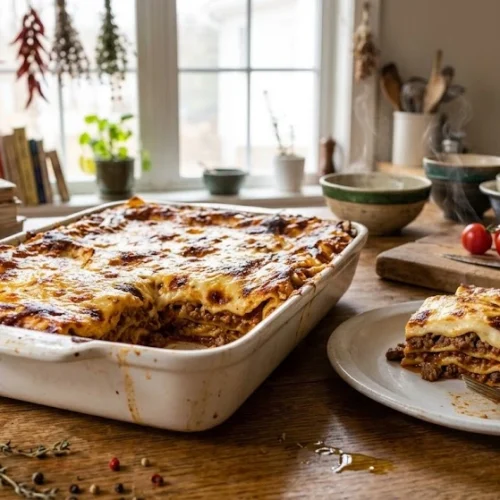
gordon ramsays lasagne al forno recipe
Equipment
- Large skillet or sauté pan
- Medium saucepan
- Oven-safe lasagne or casserole dish
- Box grater
- Wooden spoon
- Whisk
- Measuring cups and spoons
- Kitchen knife
- Cutting board
- Cheese grater
- Ladle or large serving spoon
Ingredients
- Olive oil – 2 tbsp
- Large onion peeled – 1/2 large onion
- Large carrot peeled – 1
- Garlic peeled – 2 cloves
- Dried oregano – 2 pinches
- Ground beef – 300 g / about 10.5 oz
- Tomato paste – 1 tbsp
- Worcestershire sauce – 1 tbsp
- Bay leaf – 1
- Dry red wine – 30 ml / 2 tbsp
- Chopped tomatoes – 1 × 400 g can / about 14 oz
- Whole milk for meat sauce – 50 ml / about 3 tbsp
- Salt – To taste
- Freshly ground black pepper – To taste
- Butter – 25 g / about 2 tbsp
- All-purpose flour – 25 g / about 3 tbsp
- Whole milk for white sauce – 300 ml / about 1 1/4 cups
- Ground nutmeg – 1 pinch
- Cheddar cheese grated – 60 g / about 1/2 cup
- Parmesan cheese grated – 30 g / about 1/3 cup
- No-boil lasagne sheets – 6 sheets
Instructions
Step 1: Preheat the Oven
- Preheat the oven to 425°F (220°C). Getting the oven fully heated before assembling helps the lasagne start cooking evenly as soon as it goes in.
Step 2: Prepare the Vegetables
- Grate the onion and carrot, then finely mince the garlic. Grating the vegetables helps them soften quickly and blend smoothly into the beef ragù.

Step 3: Start the Beef Ragù
- Heat the olive oil in a large skillet over medium-high heat. Add the onion, carrot, garlic, and oregano, then cook for 2–3 minutes until softened and fragrant.

Step 4: Brown the Ground Beef
- Add the ground beef and break it apart with a wooden spoon. Cook until browned and no pink remains, stirring occasionally so the meat develops plenty of savory flavor.

Step 5: Cook the Tomato Paste
- Stir in the tomato paste and cook for about 1 minute. I never skip this step because briefly cooking the paste gives the ragù a deeper, richer tomato taste.

Step 6: Season the Ragù
- Add the Worcestershire sauce, bay leaf, salt, and freshly ground black pepper. Stir everything well so the seasonings are evenly distributed throughout the beef mixture.

Step 7: Add the Red Wine
- Pour in the red wine and let it simmer for 1–2 minutes. Scrape the browned bits from the bottom of the skillet because they add extra depth to the sauce.

Step 8: Add Tomatoes and Milk
- Stir in the chopped tomatoes and bring the ragù to a gentle simmer. Add the milk and cook for 10–15 minutes, stirring occasionally, until the sauce becomes rich and slightly thick.

Step 9: Make the White Sauce
- Melt the butter in a saucepan over medium-low heat and stir in the flour. Cook for about 1 minute, stirring constantly, until the mixture becomes smooth and lightly bubbling.

Step 10: Whisk in the Milk
- Gradually pour in the milk while whisking continuously. Adding it slowly keeps the white sauce smooth and prevents those little flour lumps I’ve learned are much easier to avoid than fix.

Step 11: Add the Cheese
- Cook until the sauce thickens, then season with nutmeg, salt, and pepper. Stir in most of the Cheddar and Parmesan until smooth, saving a little Parmesan for the topping.

Step 12: Begin Layering
- Spread a thin layer of beef ragù across the bottom of the baking dish. Arrange lasagne sheets over the sauce, trimming them if necessary so they fit neatly.
Step 13: Build the Lasagne
- Add another layer of beef ragù followed by the creamy cheese sauce and more lasagne sheets. Continue layering until the ingredients are used, keeping enough white sauce for the top.
Step 14: Finish the Top
- Spread the remaining white sauce evenly over the final pasta layer. Sprinkle with the reserved Parmesan so the lasagne develops a beautifully golden, lightly crisp topping.
Step 15: Bake Until Golden
- Bake for 20–25 minutes until the edges are bubbling and the top is golden brown. If the cheese starts browning too quickly, loosely cover the dish with foil.

Step 16: Rest Before Serving
- Remove the lasagne from the oven and let it rest for about 10 minutes. I know it’s tempting to cut straight in, but resting helps those rich, creamy layers stay together when served.

Video
Notes
FAQs
Can I make lasagne ahead of time?
Yes. Assemble the lasagne, cover it tightly, and refrigerate it for up to 24 hours before baking. Add about 5–10 extra minutes if baking straight from the fridge.
Do I need to boil lasagne sheets first?
No-boil or oven-ready sheets can go directly into the dish as long as they’re well covered with sauce. Cook traditional lasagne sheets according to the package instructions first.
What can I use instead of red wine?
Beef broth is a good substitute for red wine. It keeps the ragù rich and savory while making the recipe completely alcohol-free.
Why is my lasagne watery?
A watery lasagne usually comes from a thin ragù or slicing too soon. Simmer the sauce until thick and let the baked lasagne rest for about 10 minutes.
Can I freeze lasagne before baking?
Yes. Assemble it in a freezer-safe dish, wrap it tightly, and freeze for up to 2–3 months. Thaw overnight in the refrigerator before baking for more even heating.
How do I know when lasagne is done?
The edges should be bubbling, the pasta should be tender, and the top should be golden brown. A knife should slide easily through the center.
Can I add mozzarella?
Yes. Add a small amount of mozzarella between the layers for extra creaminess and stretch, but avoid using too much so the lasagne doesn’t become overly heavy.
Conclusion
This Gordon Ramsay’s lasagne al forno recipe brings together rich beef ragù, creamy white sauce, tender pasta, and a golden Parmesan topping in one comforting dish.For the best results, let the ragù thicken well, keep the white sauce smooth, and rest the lasagne for about 10 minutes before slicing.Serve it with a fresh salad or warm bread for a satisfying family dinner.
If you try it, leave a comment, rate the recipe, or share it with someone who loves homemade lasagne.